
11/26/2025
The Cost of Delaying Commercial Plumbing Maintenance
Why Protecting Your Asset Means Never Deferring Pipe Repairs
The Bottom Line on Your Building's Pipes
For busy property managers, here is the essential information about your building’s plumbing infrastructure:
- Pipe corrosion is a silent liability that actively reduces your property value and tenant retention long before you see a major commercial water leak.
- The first pinhole leak is not a minor, one-off problem. It is a critical warning sign that your entire plumbing system is failing from the inside out.
- Reacting to a burst pipe can be expensive. The total cost, including water damage, lost rent, and insurance hikes, is often 5 to 10 times higher than a proactive, non-invasive restoration, like ePIPE’s patented process.
Your Plumbing Isn't a Maintenance Item, It's a Core Asset
Non-weather-related water damage is the second largest cause of financial loss for commercial properties. As a property manager, you are judged on your ability to protect and grow the value of your assets. Deferring a proper commercial plumbing maintenance plan is a gamble that can put your entire investment at risk.
Another thing to keep in mind is that this is not just about fixing leaks. It is about meeting stringent health and safety standards and avoiding violations of state and local codes.
This article will break down the cost of ignoring aging pipes and outline a realistic, strategic solution that protects your property and those inside it.
The True Cost of a Systemic Pipe Failure
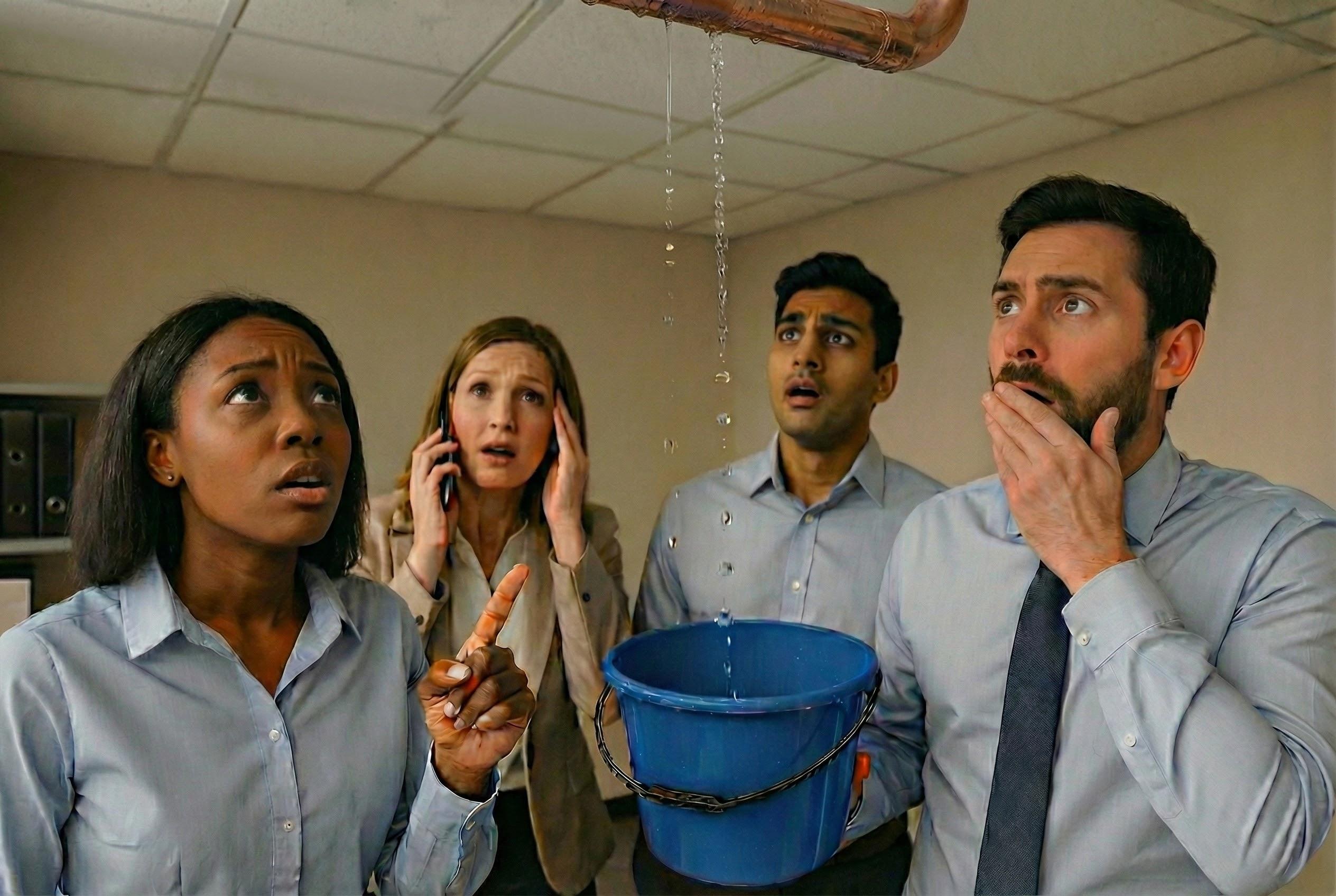
When a pipe finally fails, the cost of the initial repair is only a small fraction of the total financial impact. The fallout from a major leak triggers a cascade of financial and operational problems.
Business Interruption & Lost Revenue
This is the most immediate financial damage. A significant leak can shut down multiple units or commercial spaces for weeks. Every day a space is inoperable is a day of lost rent, creating a direct and damaging hit to your net operating income.
Tenant Turnover
Some studies show that 31% of residents that decide to leave a property do so because of maintenance. From low water pressure levels and slow drains to visible water stains on walls, these are the problems that lead directly to non-renewal.
Massive Liability & Insurance Hikes
A commercial water leak quickly leads to mold growth and potential contamination of the water supply, creating serious health liabilities, and opening the door to lawsuits. Suddenly, you are dealing with water damage, potential structural damage, and violations of health and safety standards that can invite regulatory scrutiny, especially under strict California regulations.
Capital Expenditure
An emergency repipe is a budget destroying event. It forces a massive, unplanned expenditure that can wipe out your reserves, derail other planned improvements, and poison the property’s financial performance for the entire year.
Thankfully, there is another way.
The Proactive vs. Reactive Approach
The choice between a proactive and reactive proactive plumbing maintenance plan has real-world consequences. Consider the situation faced by The Towers at Forest Acres, a 186-unit apartment complex.
Their aging copper pipes, hidden inside concrete, began failing. Pinhole leaks were popping up everywhere, and they had two choices.
The first option was a traditional repipe. This would have meant months of chaos, including ripping out and replacing the entire system. Or, a more affordable and efficient approach that would keep their residents happy and in their homes. That’s where ePIPE came in.
By using the patented ePIPE in-place restoration process, their entire plumbing system was restored from the inside out. There was no demolition and no need to tear into walls. The project was completed on schedule with minimal disruption.
The Strategic Advantage: Better Commercial Plumbing Maintenance Without Disruption
The greatest value of ePIPE's epoxy lining for a commercial property is its ability to ensure operational continuity. You can’t put a price on keeping your building fully operational while you solve a major infrastructure problem. Our process is designed for minimizing tenant disruption plumbing repairs.
- Minimal Disruption is Maximum Value: For over 25 years, our patented process has worked from inside the pipe. Your property remains intact. No demolition, no dust, and no angry calls from tenants. Businesses stay open, and residents stay in their homes.
- Unmatched Speed of Resolution: A traditional repipe in a mid-to-large-scale building can take three to six months. The ePIPE restoration process for a similar building is typically completed in just two to four weeks. In most cases, water is restored to units the very same day.
- Financial Predictability: An emergency commercial plumbing repair is an unpredictable expense. In-place pipe restoration is a planned capital improvement. You get a clear, upfront quote without the risk of hidden costs from demolition or reconstruction. And, it’s often cheaper than a traditional repipe.
FAQ for Commercial Property Managers and Owners
How do state and local plumbing codes impact my liability?
Codes are not suggestions; they are legal requirements that directly affect your property's safety and liability. Non-compliance with state and local codes, particularly strict California regulations, can result in heavy fines and legal action. This includes mandates for routine backflow testing to prevent contamination, meeting water conservation standards, and adhering to strict health and safety standards.
Beyond fixing leaks, what should a proactive maintenance plan include?
A strong preventative maintenance plan is predictive, not reactive. Key tasks include routine drain and sewer line inspections to catch issues before they become major clogs, scheduled water heater checks (especially for temperature and pressure relief (TPR) valves), and professional leak detection using modern methods like acoustic sensors or thermal imaging, rather than just waiting for visible water stains.
Do different types of commercial properties have different plumbing risks?
Absolutely. A one-size-fits-all approach does not work for every commercial industry. Restaurants and commercial kitchens require vigilant grease trap maintenance to prevent sewer line disasters. Healthcare facilities have zero tolerance for contamination and demand the highest levels of sanitation. Industrial facilities may have complex chemical or waste disposal systems that need specialized attention. While their uses differ, all these properties share a common vulnerability: an aging pipe infrastructure that will eventually fail under stress.
Protect Your Asset and Your Cash Flow
Do not wait for a leak to dictate your budget and disrupt your property. Implementing a proactive water pipe maintenance and restoration plan is the smartest way to safeguard your investment, maintain tenant satisfaction, and ensure long-term profitability.
Contact the ePIPE team to schedule a comprehensive pipe assessment for your commercial property today.
Immerse yourself in more ePIPE information
Loading...