
12/01/2025
The Hidden Costs of Ignoring Plumbing Issues in Your Home
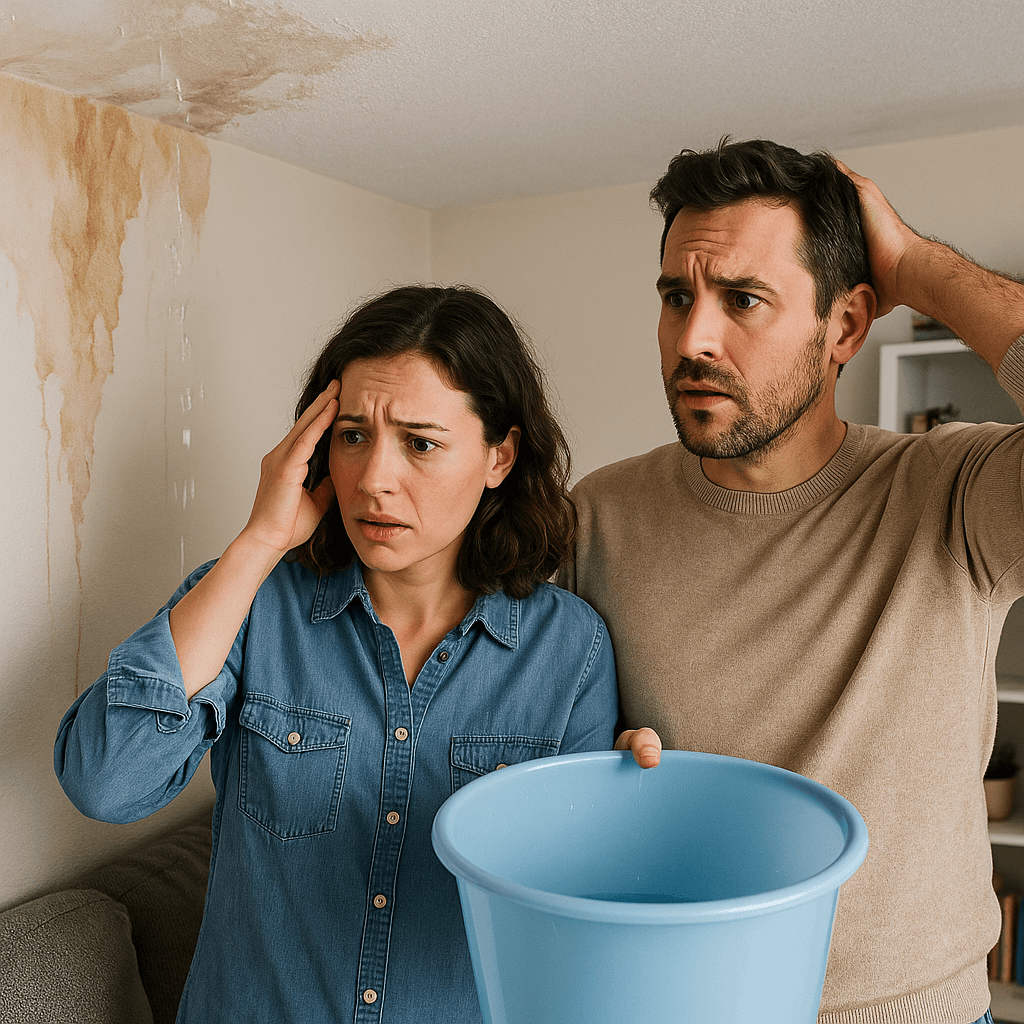
At a Glance: Key Takeaways for Busy Homeowners
- A minor leak isn't minor for long. What starts as a small drip can quickly lead to major structural damage, toxic mold growth, and repair bills that are exponentially higher than the initial fix.
- The consequences of ignoring leaks aren't just financial. Corroded pipes can leach heavy metals into your drinking water and create damp environments where mold thrives, posing a direct risk to your family's health.
- You don't have to tear your walls down to fix the problem. Innovative solutions like ePIPE's patented epoxy lining restore your pipes from the inside out, often in about a day, saving you from the cost and chaos of a traditional repipe.
Introduction
It's easy to brush off a minor leak. If it's not severely impacting your daily routine, you may not even notice a drip under the sink or weakening water pressure. But when it comes to your home's plumbing, turning a blind eye can cost you. Many homeowners don’t realize the long-term consequences of ignoring leaks, corrosion, or other signs of plumbing trouble. What starts as a trickle can turn into mold growth, major water damage, and a full-blown repipe job that is sure to disrupt your day-to-day—and drain your wallet.
Acting quickly is the single best way to protect your home, your family, and your finances from a future plumbing disaster. In this blog, we’ll break down the risks of inaction and show you how smarter, modern solutions can prevent long-term plumbing issues before they start.
Financial Consequences of Leaking or Corroded Pipes
A neglected pipe problem extends far past the initial plumbing repair. The secondary damage is where the true costs pile up.
- Destructive Water Damage: A persistent leak, even a slow one, can cause problems as water seeps into drywall, rots wooden support beams, and warps flooring. This isn't just a cosmetic issue; it's structural damage. Before you know it, you're not just calling a plumber, you're hiring contractors for major reconstruction, which is a key factor in rising pipe replacement costs.
- Decreased Property Value: No home inspector will miss the signs of water damage or failing pipes. These issues are red flags for potential buyers and can significantly lower your home’s resale value or even derail a sale altogether. A proactive approach to home plumbing maintenance protects your investment.
- Steadily Rising Water Bills: Small drips are wasting more water than you think. A single pinhole leak can waste hundreds of gallons of water per month, leading to a surprise spike in your utility bills.
Signs of Leaky or Corroded Pipes
You don't have to wait for a flood to know you have a problem; There are warning signs to watch out for in your home.
- Discolored Water or Low Water Pressure: If your water comes out brown or rusty, it's a clear sign of corrosion inside your pipes. If your shower pressure seems weak, that corrosion could be building up and restricting flow.
- Visible Corrosion or Rust: Check the exposed pipes you can see, like under sinks or in the basement. Flaking, discoloration, or green stains on copper pipes are indicators of a problem.
- Water Stains on Walls, Ceilings, or Floors: Any unexplained staining, bubbling paint, or warped surfaces are signals for a hidden leak.
- Persistent Musty Odors: A damp, earthy smell is the telltale sign of mold or mildew growing in a dark, damp place—likely created by a slow, hidden leak.
The Cost of Doing Nothing
Proactive maintenance is always cheaper than reactive home pipe repairs.
- The Cost of Damage vs. The Cost of Repair: The average cost of plumbing repairs for a simple leak might be a few hundred dollars. But the cost to remediate widespread water damage, including mold removal and structural repairs, can easily run from $5,000 to $15,000 or more.
- Escalating Issues: Today's minor leak is tomorrow's burst pipe. Waiting only allows corrosion to worsen, increasing the likelihood of a failure that requires you to call a contractor instead of a plumber.
- Betting on Insurance: Homeowner’s insurance often only covers “sudden and accidental” damage—not the stuff that happens slowly over time due to neglect. That means slow leaks, corrosion, or deterioration often leave you responsible for the entire bill.
How Leaky & Corroded Pipes Threaten Your Family’s Health
The financial toll is one thing, but the impact of failing pipes on your family's well-being is another. The dual threat of persistent water from leaking pipes and the decay of corroded pipes creates two distinct health hazards right inside your home.
Mold Exposure from Leaks
Mold thrives in damp environments created by leaking pipes. Exposure to mold can trigger serious respiratory issues, worsen allergies, and cause chronic health problems, especially in children.
Water Contamination from Corrosion
Your pipes are the delivery system for the water your family drinks, cooks with, and bathes in. When pipes corrode, they can release lead and other heavy metals into your water supply, posing a risk with every turn of the faucet.
How Preventative Measures Save You Money
For over 25 years, ePIPE has been proving that there's a better way. Instead of waiting for disaster, you can restore your pipes from the inside out. Our patented ePIPE process cleans and coats the inside of your existing pipes with a safe, durable epoxy barrier.
This isn't just a patch; it's a long-term solution that stops existing leaks, prevents future ones, and blocks lead from leaching into your water without cutting into walls or replacing your entire system.
Here's how it compares to a traditional repipe:
- It’s faster: In most cases, you’re back up and running within a day.
- It’s less invasive: No need to cut into walls or replace drywall.
- It’s cost-effective: Most homeowners spend thousands less with ePIPE than with a full repipe.
- It’s built to last: Epoxy-lined pipes are engineered to last 50+ years with proper maintenance.
Don't Wait for a Drip to Become a Disaster: Call ePIPE
Your home's plumbing is too important to leave to chance. Addressing pipe issues early is the smartest, safest, and most cost-effective decision you can make.
If you’ve noticed any of the warning signs, don't wait for the problem to get worse. Contact the ePIPE team to get your pipes inspected and your plumbing issues resolved.
Learn more about our residential financing options.
Frequently Asked Questions by Homeowners
What causes pipes to corrode in the first place?
Corrosion is typically caused by a mix of oxygen, water chemistry (like high acidity or hardness), and aging pipe materials. Galvanized steel, copper, and even some plastics can deteriorate over time, especially in older homes.
Will a leak go away on its own?
No. And waiting will only make it worse. Leaks don’t fix themselves. In fact, what starts as a small drip usually gets worse over time due to water pressure, corrosion, and material fatigue. Even a minor leak can expand, causing water damage, mold growth, and eventually a full pipe failure. If you’re seeing signs of a leak, it’s best to get it inspected before it becomes a major (and expensive) repair.
Is epoxy pipelining safe for drinking water?
Absolutely. The ePIPE barrier coating is a non-toxic epoxy that is approved to NSF/ANSI 61, the industry standard for safe drinking water system components. It creates a safe, protective lining between your water and the old metal pipe.
Will my homeowner's insurance cover damage from a slow leak?
It's unlikely. Insurance coverage is typically for damage that is "sudden and accidental." Insurers often deny claims related to slow leaks by arguing that the damage resulted from a lack of maintenance, which they consider homeowner neglect. However, if you know there's a pinhole leak, root intrusion, or corroded pipes that you've been ignoring, ePIPE is accepted by many of the nation's leading homeowner insurance companies to efficiently resolve common plumbing problems.
Immerse yourself in more ePIPE information
Loading...